The Ultimate Guide to Coffee: From Beans to Your Perfect Cup
The Ultimate Guide to Coffee: From Beans to Your Perfect Cup
Table of Contents
- Introduction
- Coffee Beans: The Heart of Every Cup
- Brewing Methods: Espresso, Latte, and Spanish Latte
- Exploring Coffee Flavors and Notes
- Pro Tips for the Perfect Brew
- The Coffee Culture Around the World
- Conclusion & Motivation
Introduction
Coffee is more than just a drink—it’s a culture, a lifestyle, and a passion that fuels billions of people every single day. Whether it’s a quick espresso shot before work, a comforting latte during a break, or a sweet Spanish latte enjoyed with friends, coffee has become a universal language. Beyond its caffeine kick, coffee represents moments of connection, creativity, and comfort. In this guide, we’ll take a deep dive into the world of coffee: from the beans that make it possible to the brewing methods, flavor notes, and cultural traditions that surround it.

Coffee Beans: The Heart of Every Cup
The foundation of every cup of coffee is the bean. Coffee beans are the seeds of the Coffea plant, harvested, processed, and roasted to unlock their unique flavors. Two main varieties dominate the market: Arabica and Robusta. Arabica beans are smoother, sweeter, and often contain notes of fruit, flowers, or chocolate. Robusta beans, on the other hand, are stronger, more bitter, and higher in caffeine, making them popular for espresso blends.
Quality matters. Freshly roasted beans retain essential oils and aromas that fade over time. That’s why many coffee enthusiasts buy from local roasters or specialty shops. The storage process is just as critical—beans should be kept in airtight containers, away from moisture, heat, and direct sunlight. Grinding beans right before brewing ensures the most flavorful cup possible.
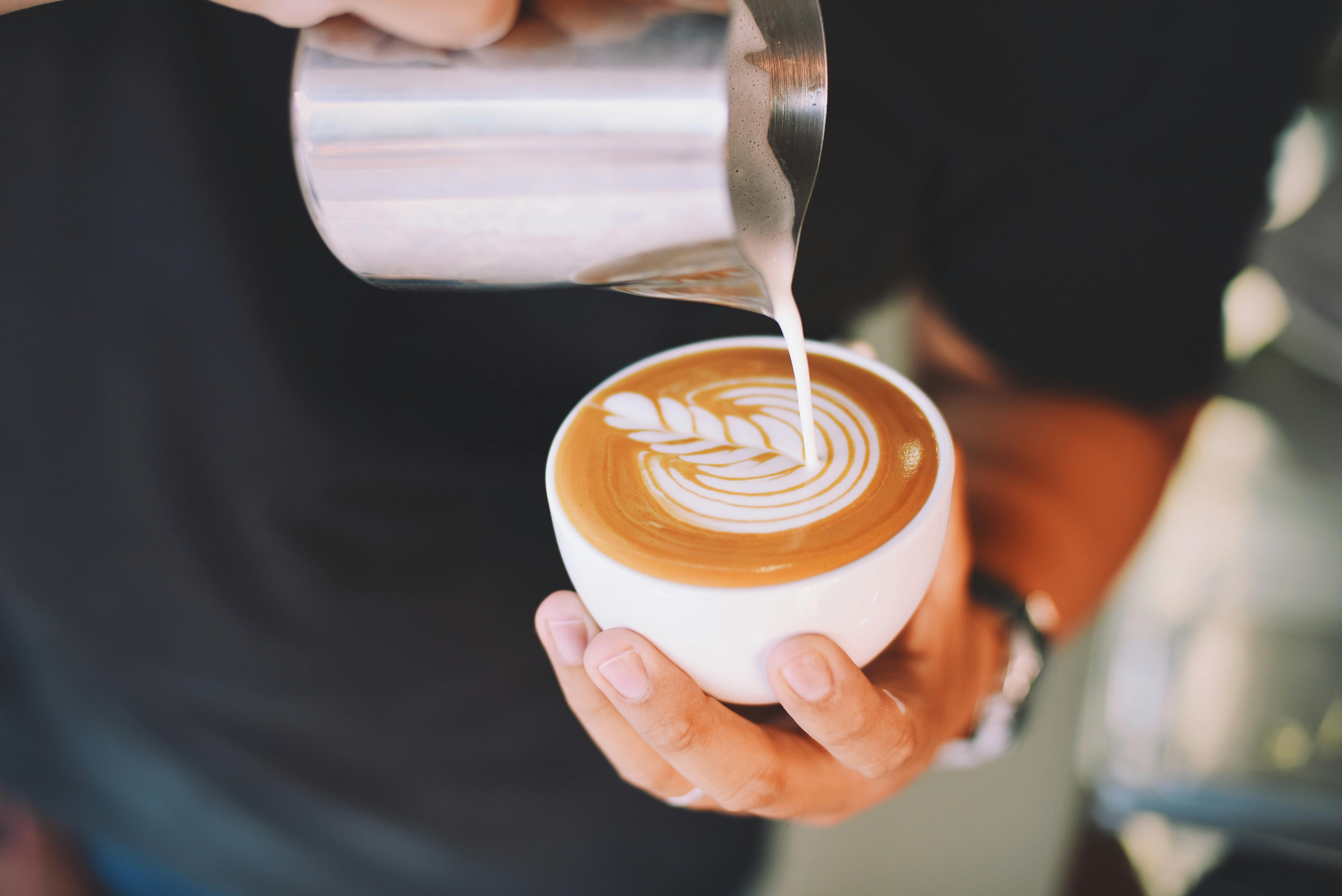
Single-origin beans add another layer of excitement to coffee. They come from one region, farm, or even a single lot, offering distinctive flavors tied to the soil, climate, and altitude of that area. Exploring these unique profiles allows you to taste the difference between a Colombian coffee with caramel sweetness, an Ethiopian coffee bursting with fruity notes, or a Sumatran coffee with earthy, spicy undertones.
Brewing Methods: Espresso, Latte, and Spanish Latte

The way coffee is brewed changes everything. Espresso, latte, and Spanish latte are three of the most popular methods, each with its own story and flavor profile:
- Espresso: A strong, concentrated coffee brewed under high pressure. It’s the foundation of many drinks like cappuccino, macchiato, and mocha. A good espresso has a rich crema on top, symbolizing a perfect extraction.
- Latte: Made with espresso and steamed milk, topped with a thin layer of foam. It’s smooth, creamy, and often used as a canvas for latte art, making it both delicious and visually appealing.
- Spanish Latte: A sweet twist on the traditional latte, combining espresso, steamed milk, and sweetened condensed milk. It’s rich, indulgent, and perfect for those who enjoy a dessert-like coffee experience.
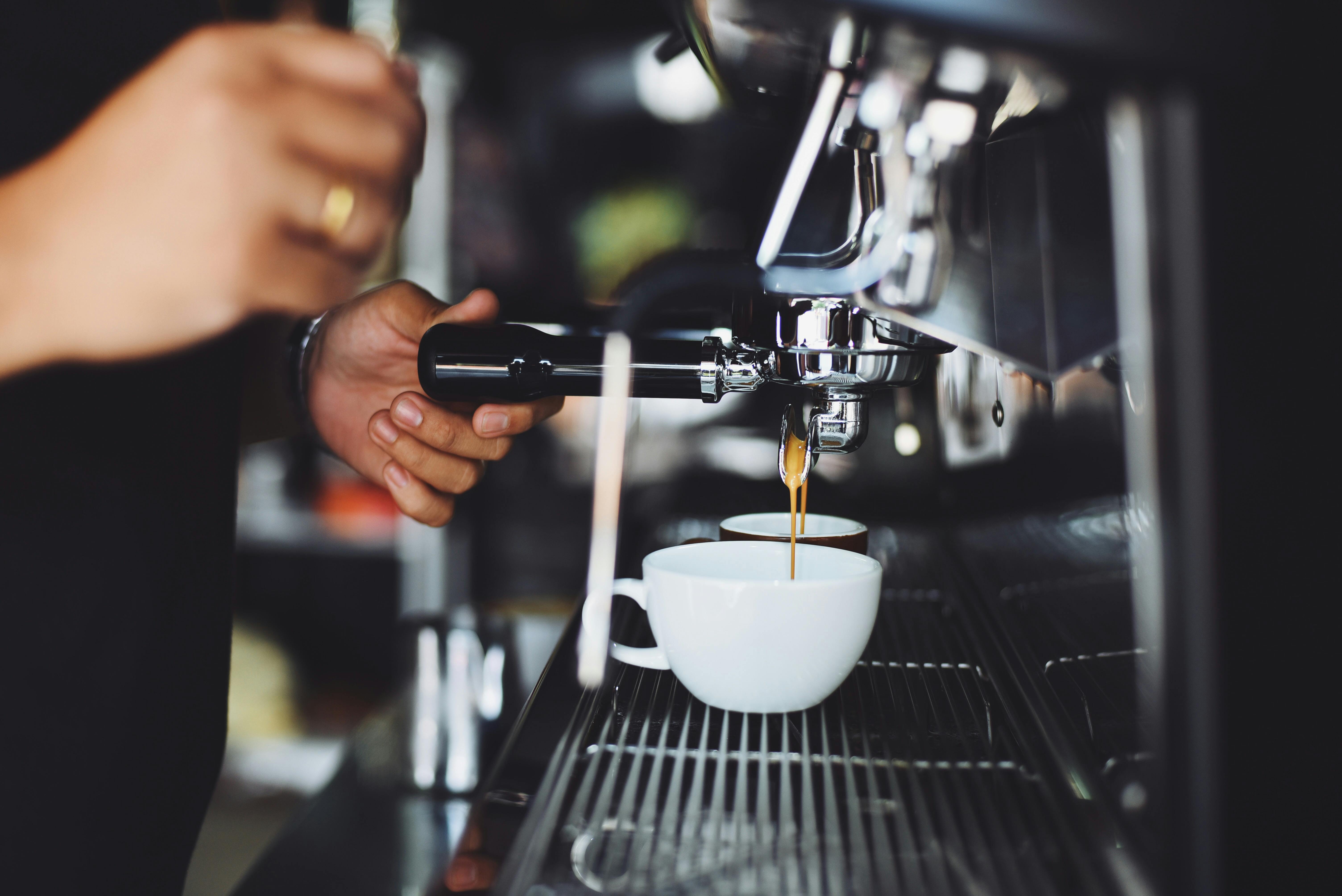
Experimenting with these brewing methods at home is both fun and rewarding. A quality grinder, fresh beans, and attention to detail can elevate your daily cup to café-level perfection. Whether you prefer the intensity of espresso or the sweetness of a Spanish latte, brewing coffee your way makes it truly personal.
Exploring Coffee Flavors and Notes

Coffee tasting is an adventure for the senses. Each bean carries unique flavor notes influenced by its origin, roast, and processing method. Some coffees are light and fruity, with hints of berries or citrus, while others are dark and chocolatey, with nutty or smoky undertones. This spectrum of flavors makes coffee endlessly fascinating.
Roast level also plays a major role. Light roasts highlight the bean’s natural characteristics, medium roasts strike a balance between body and flavor, and dark roasts emphasize boldness and smokiness. Paying attention to these details can transform how you experience coffee, helping you choose beans and brewing methods that align with your taste preferences.
Pro Tips for the Perfect Brew

- Always use filtered water to avoid unwanted flavors.
- Measure your coffee using a scale for consistency.
- Preheat your cup and brewing equipment to maintain temperature.
- Adjust grind size depending on your brewing method (fine for espresso, coarse for French press).
- Keep your equipment clean to prevent stale flavors.
Small changes make a big difference. Even the type of water you use affects the final taste. Treat your coffee like a craft, and you’ll be rewarded with better results every time.
The Coffee Culture Around the World
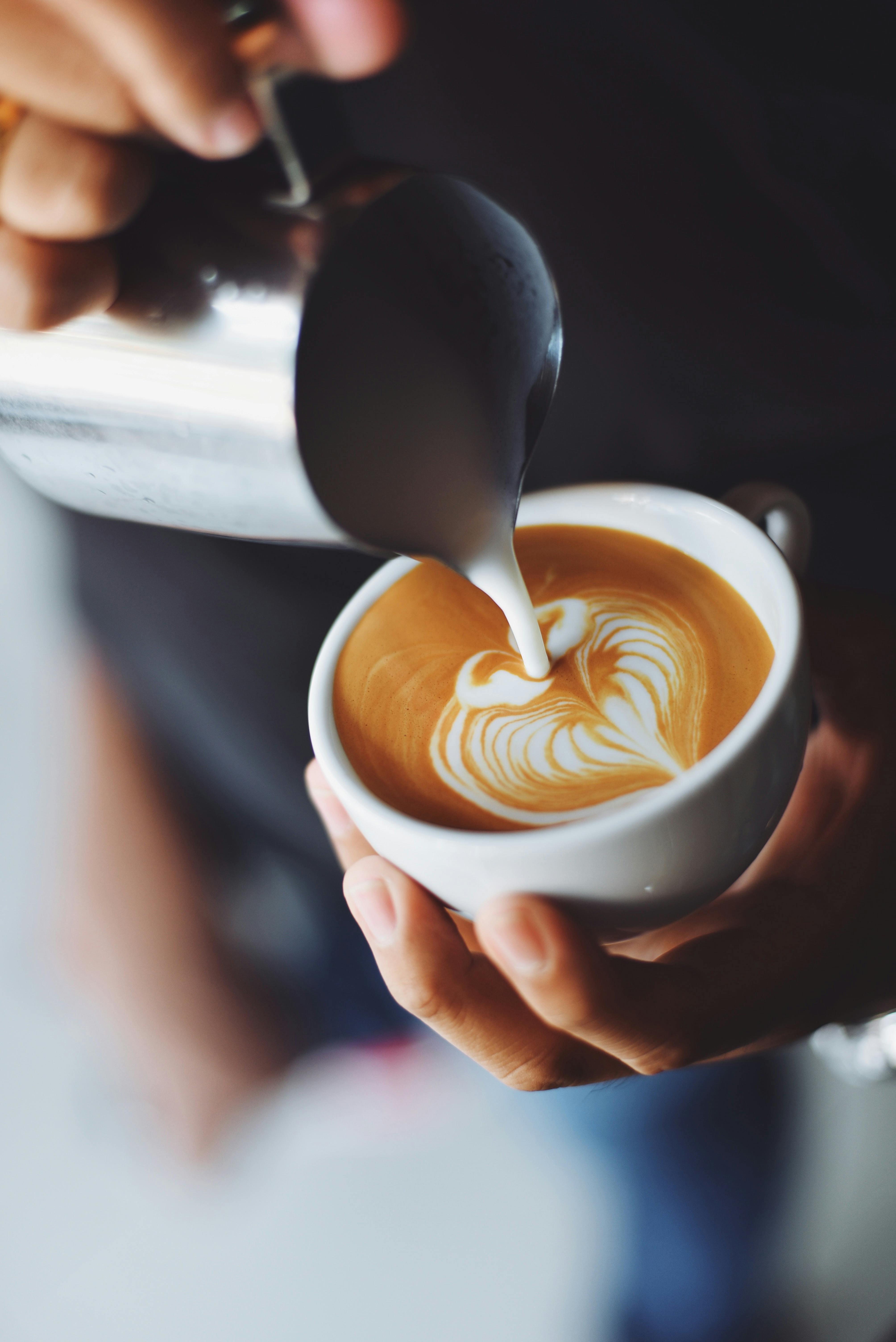
Coffee culture varies dramatically across the globe. In Italy, espresso is a daily ritual enjoyed quickly at the bar. In Sweden, the tradition of Fika emphasizes taking a break with coffee and pastries, fostering community and connection. In Turkey, thick, unfiltered coffee is prepared with sugar and cardamom, a practice steeped in history and symbolism. In Latin America, coffee is often enjoyed socially, with gatherings centered around the beverage.
These cultural differences highlight coffee’s ability to bring people together. No matter where you go, coffee is a universal symbol of hospitality, creativity, and comfort.
Conclusion & Motivation
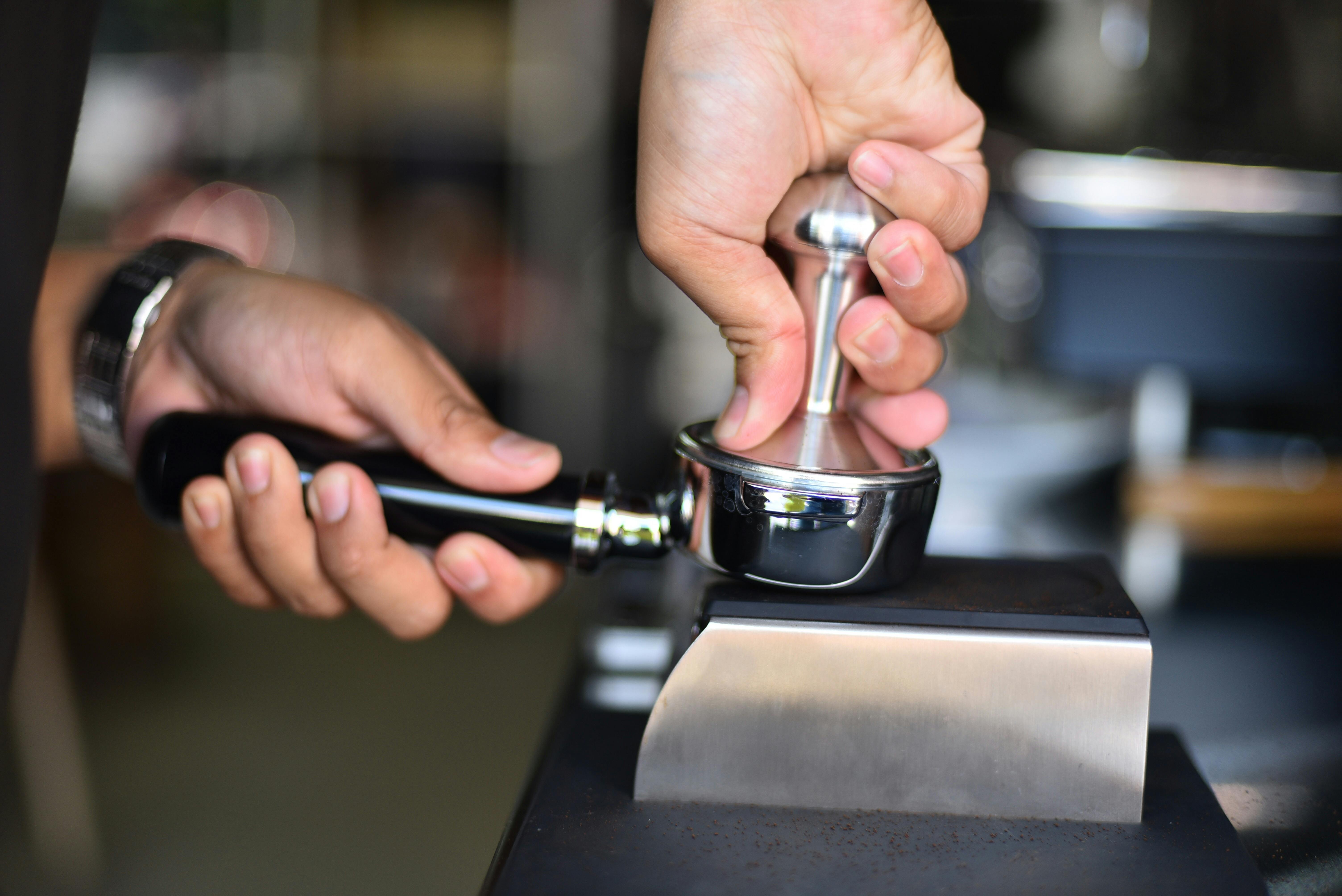
Coffee is not just a morning pick-me-up—it’s an experience, a passion, and a way of life. From selecting quality beans to mastering brewing techniques, each step deepens your connection to this beloved beverage. Whether you’re enjoying a strong espresso, a creamy latte, or a sweet Spanish latte, remember that coffee is about more than taste—it’s about moments, memories, and meaning.
“Life happens, coffee helps. Brew your passion, sip your dreams!”


Comments
Post a Comment