The Ultimate Guide to Diet and Healthy Living in 2025
🥗 The Ultimate Guide to Diet and Healthy Living in 2025
📖 Table of Contents
- 1️⃣ Introduction
- 2️⃣ Benefits of Following a Diet
- 3️⃣ Types of Diets
- 4️⃣ How to Build Your Own Diet Plan
- 5️⃣ Foods to Eat
- 6️⃣ Foods to Avoid
- 7️⃣ Exercise and Diet
- 8️⃣ Practical Tips for Success
- 💡 Conclusion
1️⃣ Introduction
Dieting has become one of the most discussed lifestyle choices in recent years. In 2025, with the increasing awareness of health and wellness, more people are focusing on how food impacts their body, energy, and even mental health. A diet is not just about losing weight; it is about building a healthier relationship with food, improving physical performance, and preventing chronic illnesses.
Whether your goal is weight management, boosting energy, or simply living longer with better health, a balanced diet is the foundation. This guide provides a clear understanding of why diets matter, the different types available, and how to create a sustainable plan that works for your lifestyle.
2️⃣ Benefits of Following a Diet
A proper diet is the cornerstone of a healthy life. Following a structured diet plan has countless benefits, including weight management, improved digestion, and better heart health. Nutrient-rich foods help regulate blood sugar, reduce cholesterol, and prevent lifestyle-related diseases such as diabetes and hypertension.
Additionally, diets that are rich in fruits, vegetables, and whole grains provide essential vitamins and minerals that enhance immunity and overall vitality. A well-planned diet can also improve sleep patterns, mental focus, and mood, contributing to better quality of life.
3️⃣ Types of Diets
There are various types of diets tailored to different goals and lifestyles. Popular examples include:
- Keto Diet: Focused on high fat and very low carbohydrates to encourage the body to burn fat.
- Mediterranean Diet: Rich in olive oil, fish, and fresh produce, promoting heart health and longevity.
- Plant-Based Diet: Eliminates or limits animal products, focusing on vegetables, fruits, legumes, and grains.
- Paleo Diet: Inspired by ancient eating habits, emphasizing whole foods like lean meats, nuts, and vegetables.
Each diet has its pros and cons, but the key is choosing one that suits your body’s needs and can be maintained in the long run.
4️⃣ How to Build Your Own Diet Plan
Creating a personalized diet plan requires a balance of macronutrients (carbs, proteins, fats) and micronutrients (vitamins and minerals). Start by assessing your daily caloric needs based on activity level and goals. From there, divide your meals into balanced portions that fuel your body throughout the day.
Meal prepping, keeping a food diary, and consulting a nutritionist can help ensure your plan remains consistent and effective. Flexibility is key—choose foods you enjoy so your plan becomes a lifestyle rather than a temporary restriction.
5️⃣ Foods to Eat
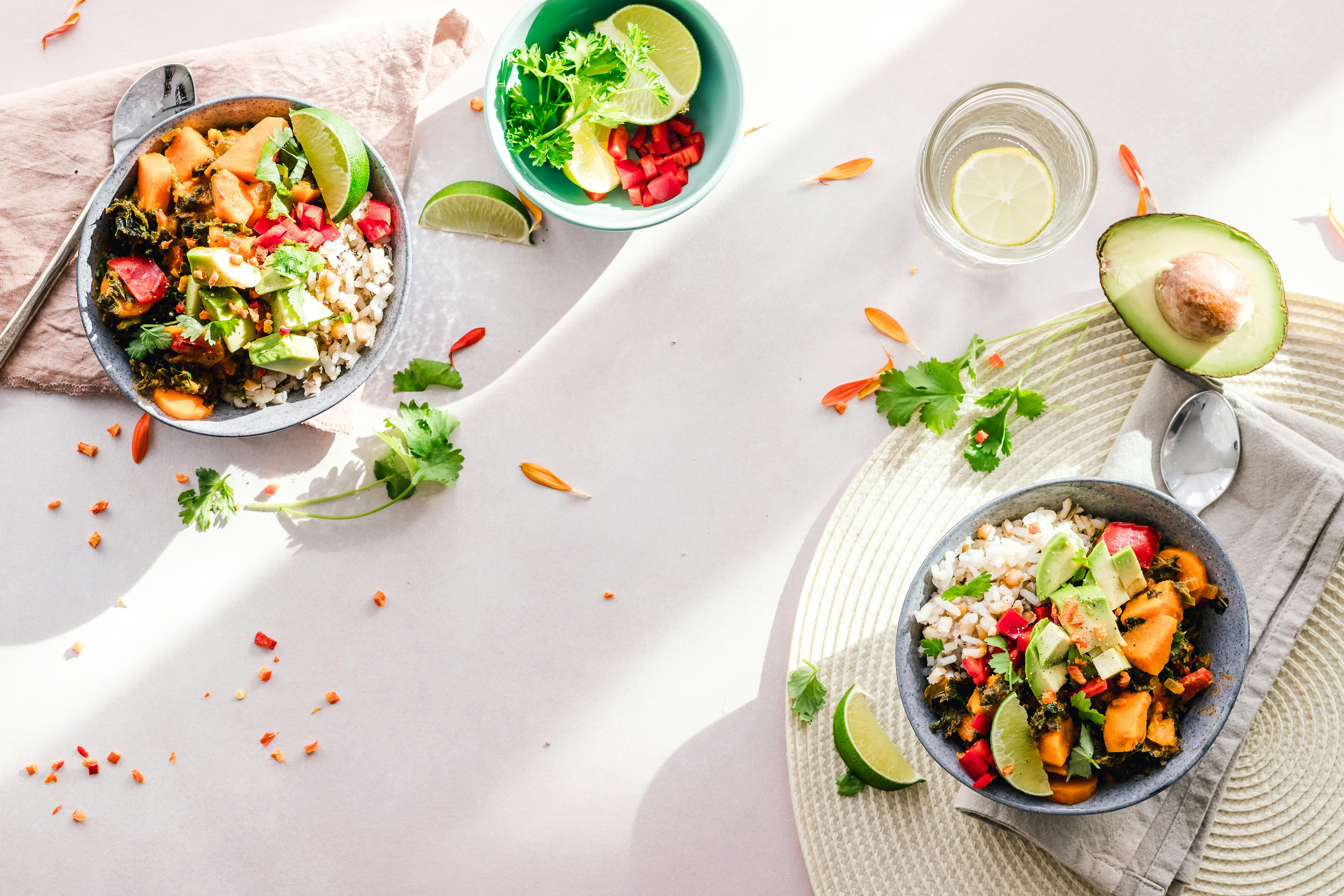
A healthy diet emphasizes nutrient-dense foods such as:
- Fruits and vegetables for vitamins and antioxidants.
- Whole grains like oats, quinoa, and brown rice for sustained energy.
- Lean proteins such as fish, chicken, beans, and tofu for muscle repair.
- Healthy fats from nuts, seeds, and olive oil to support brain function.
These foods not only nourish your body but also improve metabolism and provide long-lasting satiety.
6️⃣ Foods to Avoid
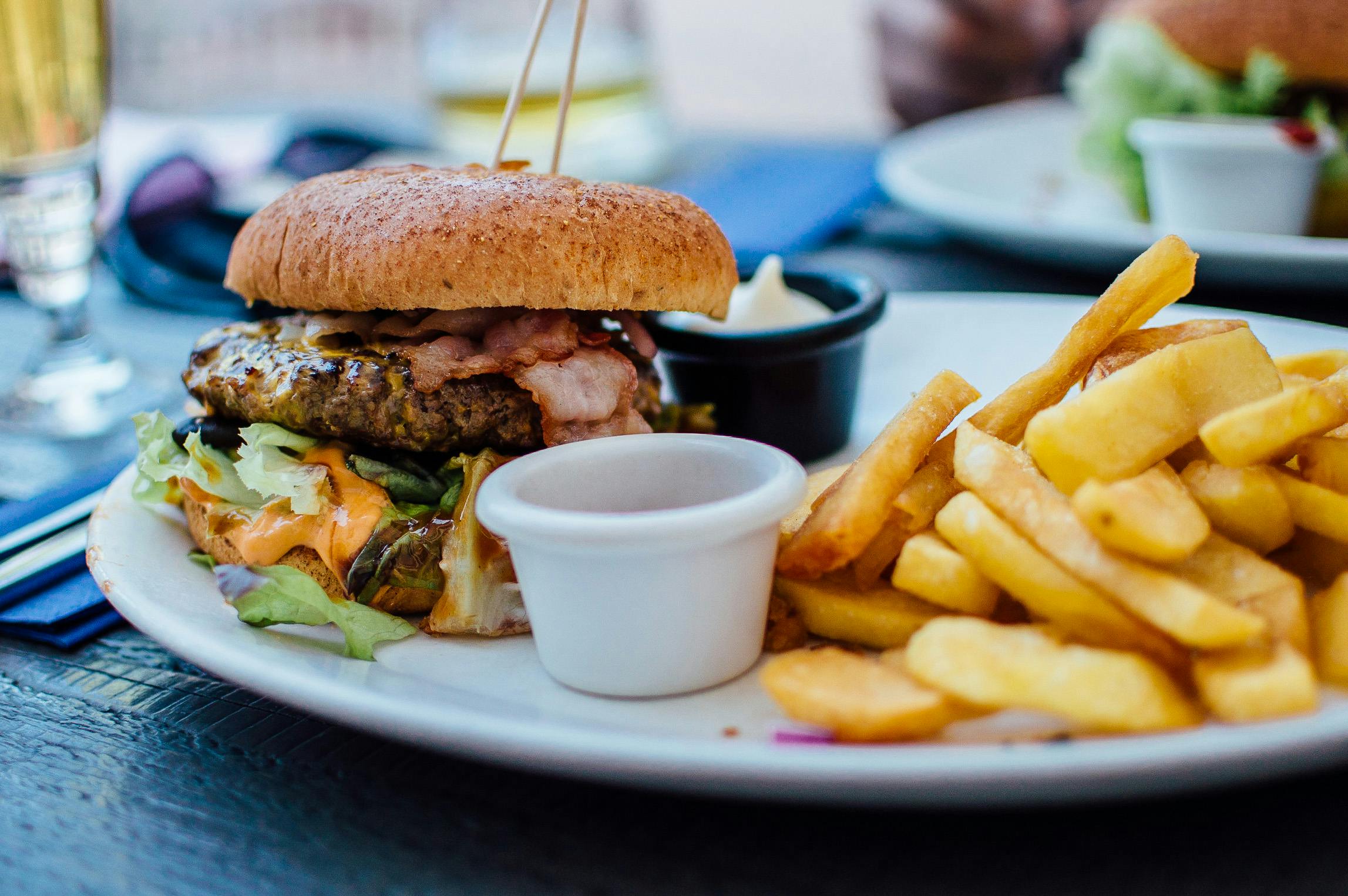
Equally important is understanding which foods to limit or avoid. These include:
- Processed foods high in sugar and trans fats.
- Excessive salt, which increases blood pressure.
- Sugary drinks and sodas that add empty calories.
- Fast food and fried items that contribute to weight gain.
Moderation is key; occasional indulgence is fine, but consistency in avoiding these items is crucial for long-term success.
7️⃣ Exercise and Diet

Diet and exercise go hand in hand. A healthy diet fuels your workouts, while regular physical activity enhances metabolism and accelerates fat loss. Strength training builds muscle, which burns more calories at rest, while cardio improves cardiovascular health and stamina.
The combination of balanced eating and consistent exercise creates synergy, making your health journey more effective and sustainable.
8️⃣ Practical Tips for Success
Here are some practical strategies to make your diet journey smoother:
- Drink plenty of water to stay hydrated and control appetite.
- Sleep at least 7–8 hours per night to support recovery and metabolism.
- Practice mindful eating to avoid overeating.
- Track your progress with apps or journals to stay motivated.
These small adjustments compound over time, leading to lasting results and a healthier lifestyle.
💡 Conclusion
Embarking on a diet is more than a short-term goal—it’s a commitment to yourself and your well-being. By choosing whole foods, avoiding harmful habits, and incorporating exercise, you are investing in a healthier future. Remember, consistency matters more than perfection, and every small step counts.
✨ Believe in yourself—you are stronger than any excuse! ✨


Comments
Post a Comment